Why Cheese Pizza in Boulder, Colorado Is More Than Just a Meal
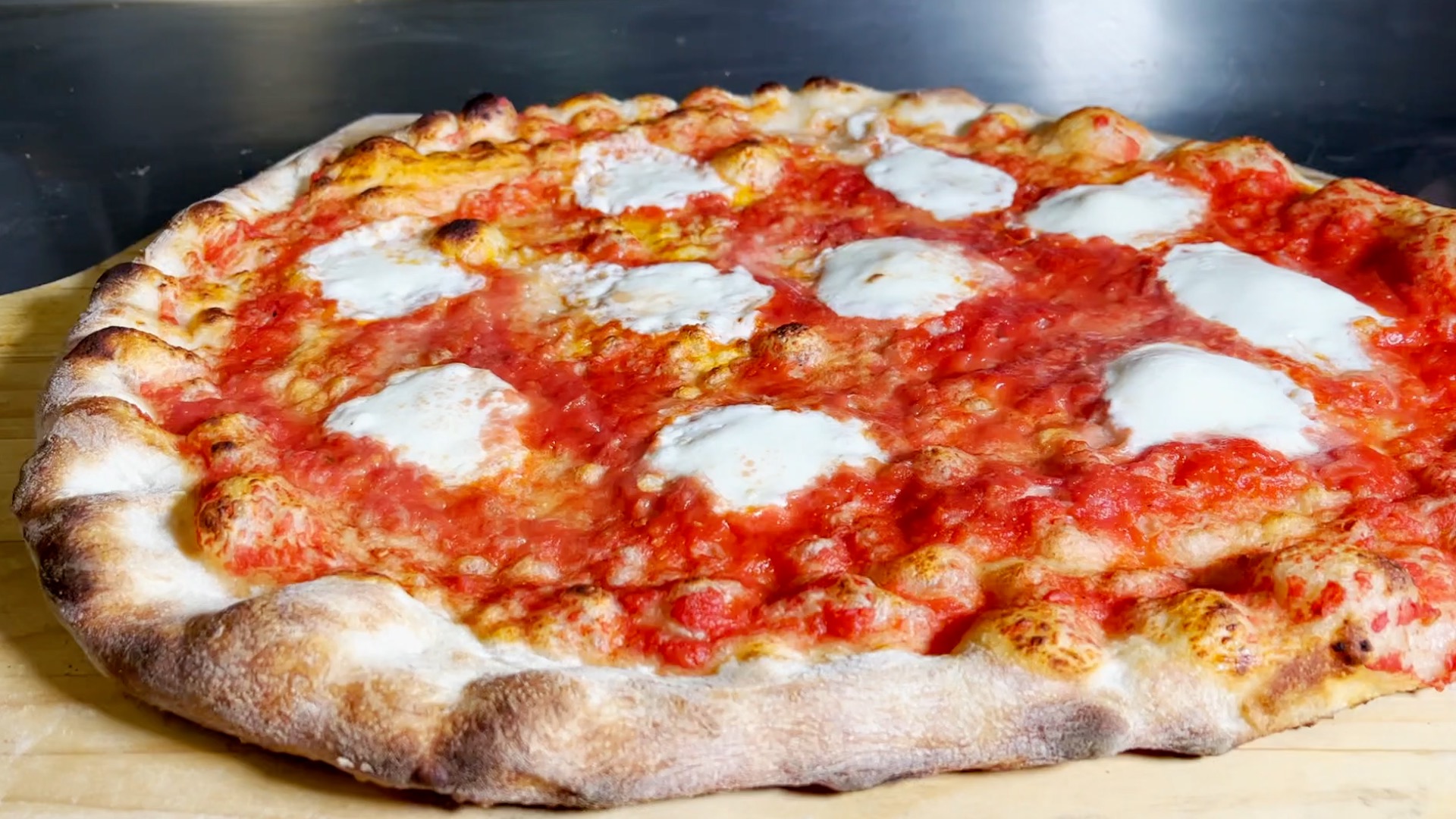
There are foods people order because they are hungry, and there are foods people return to because they mean something. In Boulder, cheese pizza often lands in the second category. At first glance, it can look like the plainest thing on the menu, the fallback order for indecisive groups, tired students, families with picky kids, or anyone too polite to argue over toppings. Spend enough time in town, though, and that reading starts to feel shallow. Cheese pizza in Boulder, Colorado carries a different kind of weight. It is practical, familiar, social, and, when made well, surprisingly revealing.
A plain pie leaves no place to hide. If the crust is weak, you notice. If the sauce is too sweet, too flat, or too aggressive with oregano, it comes through immediately. If the mozzarella has the wrong melt, the whole balance shifts. That makes cheese pizza one of the clearest ways to understand a local pizza scene, and Boulder has a scene shaped by more than restaurant trends. Geography matters here. So does the student population. So does the city’s deep interest in ingredients, health, craft, and casual gathering spaces that feel neither precious nor disposable.
People often talk about Boulder through its obvious markers: mountain access, cycling culture, university energy, and a food economy that blends upscale instincts with laid-back habits. All of that shows up in a slice. Not in a dramatic, over-explained way, but in the small decisions that separate one cheese pizza from another. Dough fermentation, flour choice, oven style, moisture management, and dairy quality are not abstract details in a town where customers tend to notice what they are eating. The result is that even a simple cheese pie can reflect local values with unusual clarity.
The beauty of a simple order
A lot of restaurants sell complicated pizzas better than they sell simple ones. Heavy toppings can cover technical flaws. Salt from cured meats can prop up a bland dough. Heat from peppers can distract from watery sauce. Cheese pizza does the opposite. It strips the experience down to its essentials: crust, sauce, cheese, heat, timing.
That simplicity explains why professionals in the restaurant business often judge a pizzeria by its plain pie first. It is the kitchen equivalent of listening to an acoustic track before the full production. There is nowhere to bury inconsistency. In Boulder, where customers include students, longtime locals, athletes, visiting families, and travelers who have eaten very well in bigger cities, that matters. A restaurant cannot count on novelty alone. If it puts cheese pizza on the menu, it has to respect what looks easy but rarely is.
The best versions tend to feel balanced rather than flashy. The crust has structure but still bends enough to fold if that is your habit. The underside carries color instead of pale flour dust. The sauce tastes of tomatoes first, not sugar. The cheese covers the pie generously without drowning it. A proper cheese pizza should still taste good ten minutes later, when the box has trapped some steam and the urgency of the first bite has passed. That detail matters more than people admit, especially in a town where takeout and delivery are part of daily life.
There is also something democratic about ordering cheese pizza. It works for office lunches, post-practice meals, late study nights, and family dinners when nobody wants to negotiate around mushrooms, olives, or sausage. The order avoids friction. In a place like Boulder, which has a strong communal streak despite its visible pockets of privilege, that ease counts for something.
Boulder’s food culture shows up in the crust
Cities develop food identities through repetition. Enough chefs and owners make similar choices for similar reasons, and eventually diners begin to expect those choices. Boulder’s food culture tends to reward freshness, transparency, and craft. That does not mean every pizza shop uses local flour, house-pulled mozzarella, or a 72-hour fermentation. It does mean people ask questions that would not come up everywhere. Is the dough cold-fermented? Is the cheese whole-milk or part-skim? Is the tomato base bright and loose, or cooked down and dense? Is the crust meant to be airy, crisp, chewy, or thin enough to crackle?
Those questions are not performative in Boulder. They are part of the local language around food. A town with strong farmers market habits and a population that reads ingredient labels tends to treat even comfort food with a certain seriousness. Cheese pizza benefits from that mindset because its pleasures are direct. Better flour matters. Better tomatoes matter. Better dairy matters. The difference between average and excellent is not hidden under six toppings.
Altitude plays a role, too. Baking in Colorado is never exactly the same as baking at sea level. Dough behaves differently, moisture moves differently, and consistency requires attention. Skilled pizza makers adjust hydration, fermentation timing, and bake strategy to compensate. Diners may never see those decisions, but they taste them. A crust that is too dry, too airy, or oddly tough often reflects a kitchen still wrestling with environmental variables. When a Boulder pizzeria gets its cheese pie right, it is often because it has learned to work with local conditions rather than against them.
This is one reason the phrase “Cheese Pizza Boulder, Colorado” means more than a search term. It points to a very specific eating experience, one shaped by altitude, ingredient-conscious customers, and a dining culture that expects casual food to be done with care.
A college town changes how pizza functions
Boulder would have a very different pizza culture without the University of Colorado. Student populations alter restaurant ecosystems in practical ways. They create steady demand for affordable food, late-night service, quick slices, and delivery zones that can support thin margins through volume. But students also shape memory. Ask enough people about their years in Boulder and pizza will surface, usually in stories that have less to do with food criticism and more to do with life stages.
Cheese pizza is the order attached to ordinary but lasting moments: a dorm gathering after a game, a cheap dinner stretched over two meals, a rainy afternoon on the Hill, a study break that turns into an hour-long conversation. Because it is usually less expensive than loaded specialty pies, it becomes the repeat purchase. People eat it often enough for it to turn into a backdrop for friendship, stress, celebration, and routine.
That repetition matters. Foods become meaningful when they are woven into life at regular intervals. A rare tasting menu can impress you. A simple slice you eat fifty times can belong to you.
Students are not the only ones shaping demand, of course. Boulder families rely on pizza because it solves the same problem it solves almost everywhere: different appetites, different schedules, one easy answer. But in Boulder the family order often sits at the intersection of convenience and standards. Parents may want takeout, but they still care about ingredient quality and whether the meal leaves everyone feeling decent afterward. A good cheese pizza meets that need cleanly. It is comforting without being too heavy if the dough and dairy are handled well. It pleases children without feeling like children’s food. That is a harder line to hold Cheese Pizza Boulder, Colorado than many restaurants realize.
The paradox of “plain” food
Calling cheese pizza plain is one of those habits that survives mostly because people stop examining it. On a technical level, there is nothing plain about balancing fermented dough, tomato acidity, dairy fat, salt, heat exposure, and texture in a way that tastes complete rather than empty. On an emotional level, the word misses the point entirely.
Familiar foods do serious work in people’s lives. They steady the edges of a hard day. They lower the stakes of social plans. They create rituals. In a city that can sometimes feel high-performing, image-aware, and physically intense, there is relief in food that asks very little of you. You do not have to decode it. You do not have to photograph it. You do not have to earn it with a summit, a long ride, or a clean-eating week. You just eat it.
That may be one reason cheese pizza remains so durable in Boulder. The town has no shortage of health-driven menus, specialized diets, and earnest nutrition language. Some of that culture is thoughtful and useful. Some of it can be exhausting. Pizza cuts through the noise, and cheese pizza does so most directly. It is not trying to optimize anything. It is trying to taste good and make people feel satisfied. There is honesty in that.
Honesty in food is underrated. You can feel it when a restaurant treats a staple with respect instead of indifference. You can also feel when a place treats cheese pizza as the order for people who are not paying attention. The difference shows up fast, especially by the second slice.
What makes a great Boulder cheese pizza
The technical side deserves a closer look because this is where local style becomes visible. Boulder does not have a single dominant pizza identity in the way New York, New Haven, or Detroit do. Instead, it supports a range of approaches, from thin and crisp to airy and blistered to sturdier delivery-style pies built for heat retention and transport. That diversity is part of the appeal. Still, the strongest cheese pizzas in town usually get a few fundamentals right.
First, the crust has to carry flavor on its own. Dough that only serves as a vehicle is not enough. A mild tang from fermentation, a wheaty finish, or even just a clean, toasted depth from proper baking can transform the whole pie. Second, the sauce must know its role. Too much seasoning muddies the cheese. Too little salt leaves the pie dull. Third, the cheese has to melt into the sauce and crust rather than sitting on top like a separate layer. That sounds obvious, but many pizzas fail here. Good melt creates cohesion. Poor melt creates a stack.
Finally, the bake has to account for real eating conditions. This is one place experience matters. A cheese pizza that is glorious for ninety seconds on a restaurant plate may collapse inside a takeout box. Boulder has plenty of takeout customers, especially on busy weeknights and cold evenings. Shops that understand steam, carryover heat, and slice stability tend to build lasting followings because their pizza travels well without turning rubbery or wet.
I have seen this play out repeatedly in restaurant kitchens. Cooks often obsess over the first thirty seconds after a pie leaves the oven, when the cheese is still bubbling and the crust is at peak drama. Customers remember something else. They remember whether the third slice still had structure. They remember whether leftovers held up the next day. They remember whether the pizza felt worth reordering. For cheese pizza, those practical tests are often more important than visual spectacle.
Why place matters when the order is this simple
A slice eaten on a busy downtown block does not register the same way as a pie shared after a long hike or a takeout box opened on a living room floor with the windows cracked to let in cool mountain air. Boulder sharpens that truth because the city is unusually place-conscious. The environment is rarely background here. Weather, light, altitude, and proximity to the Flatirons all influence how people spend time and where they choose to eat.
Cheese pizza fits naturally into that rhythm. It can be lunch after a morning on the trail, dinner after youth sports, fuel before a concert, or the least fussy option after a day spent entertaining out-of-town guests. It also bridges the city’s social zones better than many foods do. You can find it in quick, casual formats and in more considered dining rooms. You can eat it alone without feeling strange or serve it to a group without explanation.
That range gives it cultural reach. Some foods belong to one neighborhood, one income band, or one type of occasion. Cheese pizza moves across all of those lines. In Boulder, a place that can sometimes feel segmented by lifestyle and budget, that matters. Shared staples build civic texture. They give people overlapping references. Not everyone rides the same trails or shops at the same stores, but a lot of people know what a good slice should taste like.
There is also a local hospitality angle that should not be ignored. When visitors come through Boulder, residents often want to show them more than scenic views. They want to show them the version of the city they actually live in. Sometimes that means coffee, beer, or a favorite breakfast spot. Sometimes it means pizza. Taking someone out for a cheese pie is a way of saying, this place gets the basics right. It is a modest form of pride, but a real one.
The economics behind the comfort
Comfort food is often discussed emotionally and almost never economically, which is a mistake. Part of what gives cheese pizza its staying power is value. Not cheapness in the abstract, but the specific value of a food that can feed several people, scale up for groups, and still feel like a treat rather than a compromise.
Boulder is not an inexpensive city. Housing costs are high, restaurant labor is expensive, and ingredient-conscious businesses face constant pressure on margins. In that environment, foods that can satisfy without tipping into luxury become important. Cheese pizza occupies that space well. It can be a reasonable family dinner, a student staple, or a casual social meal that does not require planning around reservations and budgets.
Yet value depends on execution. If a restaurant skimps on dough development or uses bland cheese, customers feel the shortcut immediately because there is so little else on the pie. That is another reason cheese pizza carries more cultural significance here than its simplicity suggests. It becomes a small test of whether a business respects everyday customers or only tries hard on higher-ticket items.
People notice. Regulars always do.
The memory factor is stronger than people expect
Ask someone about a remarkable steak or a beautifully plated dessert and they may recall the restaurant, the price, and maybe the occasion. Ask them about the pizza they loved in their twenties or the place they ordered from every Friday with their kids, and the story tends to get fuller. Pizza holds memory differently. It is tied to repetition, to groups, to homes, to casual time.
Cheese pizza is especially potent because it is often the default order. The default order becomes the remembered order. That matters in Boulder, where people cycle through distinct life phases in the same city. Students stay after graduation. Visitors become residents. Young professionals become parents. Parents become empty nesters who still know exactly where they used to order from. The cheese pizza follows them through those transitions more reliably than trendier foods do.
There is a practical side to nostalgia, too. People return to the foods that once made a place feel manageable or welcoming. If you moved to Boulder not knowing many people, there is a good chance some simple meal became part of your map of belonging. For plenty of residents, that meal was pizza, and very often cheese pizza because it was the easiest thing to share, afford, and crave again.
More than melted cheese and dough
When people outside the restaurant world dismiss cheese pizza as basic, they usually mean uninteresting. In Boulder, that misses nearly everything important about it. A well-made cheese pie reflects local ingredient standards, technical skill, environmental adaptation, and the needs of a city that is equal parts college town, family town, and outdoor destination. It is one of the clearest examples of how an everyday food can absorb the character of a place.
That is why Cheese Pizza Boulder, Colorado is not just a literal order. It is a shorthand for a specific kind of local experience, one that mixes comfort with craft and routine with memory. It belongs to weeknights and celebrations, to hungry students and tired parents, to quick lunches and long conversations. It can be judged with professional rigor and loved for completely personal reasons. Few foods manage both so well.
A great cheese pizza does not need to announce its significance. It arrives hot, balanced, and unpretentious. People reach for a slice. They keep talking. They come back. In a town that often prizes ambition, there is something quietly impressive about a meal that earns loyalty by doing simple things exceptionally well.
Brooklyn Pizza
Address: 1647 Arapahoe Ave, Boulder, CO 80302
Phone number: +17203282324
FAQ About Cheese Pizza Boulder, Colorado
What is usually on a cheese pizza?
A standard cheese pizza consists of a yeast dough crust, a seasoned tomato-based sauce, and melted mozzarella cheese.
What is a cheese pizza called?
A basic cheese pizza is simply called a cheese pizza, a plain pizza, or a plain pie.
What is the best recipe for cheese pizza?
The best cheese pizza recipe uses high-heat baking, a simple raw tomato sauce, and a mix of low-moisture and fresh mozzarella cheese on a homemade yeast dough.