What to Expect From Cheese Pizza in Boulder, Colorado
Cheese pizza sounds simple until you start ordering it in a place with a strong food culture and a particular sense of identity. Boulder is one of those places. People care about ingredients here. They care about sourcing, dietary preferences, crust texture, and whether a casual weeknight meal still feels thoughtfully made. That changes the baseline. A plain cheese pie in Boulder is rarely treated as an afterthought.
If you are new to the area, visiting for a weekend, or just trying to understand what separates a forgettable slice from one worth returning for, it helps to know that cheese pizza in Boulder, Colorado tends to reflect the city itself. It is quality-conscious, a little opinionated, often more expensive than in many college towns, and surprisingly varied for a dish built on dough, sauce, and cheese. You can still find a quick, foldable slice. You can also find wood-fired pies with blistered edges, naturally leavened crusts, house-pulled mozzarella, or locally milled flour. Even when the menu reads “cheese,” the result can differ dramatically from shop to shop.
That matters because expectations shape satisfaction. Someone craving a classic East Coast cheese slice may walk into a restaurant known for airy Neapolitan pies and feel underwhelmed by the softness in the center. Another person looking for artisan balance may be disappointed by a heavy blanket of low-moisture mozzarella and a thick, chewy base. Boulder gives you options, but those options come with style differences that are worth understanding before you order.
Boulder’s pizza scene is more diverse than the name suggests
At first glance, Boulder might seem like a place where health-focused food crowds out comfort food. In practice, the opposite often happens. People want comfort food, but they want it made well. That is why the local pizza landscape includes classic neighborhood joints, brewery-adjacent pizzerias, late-night slice counters, and upscale restaurants where pizza is treated with the same care as a composed entrée.
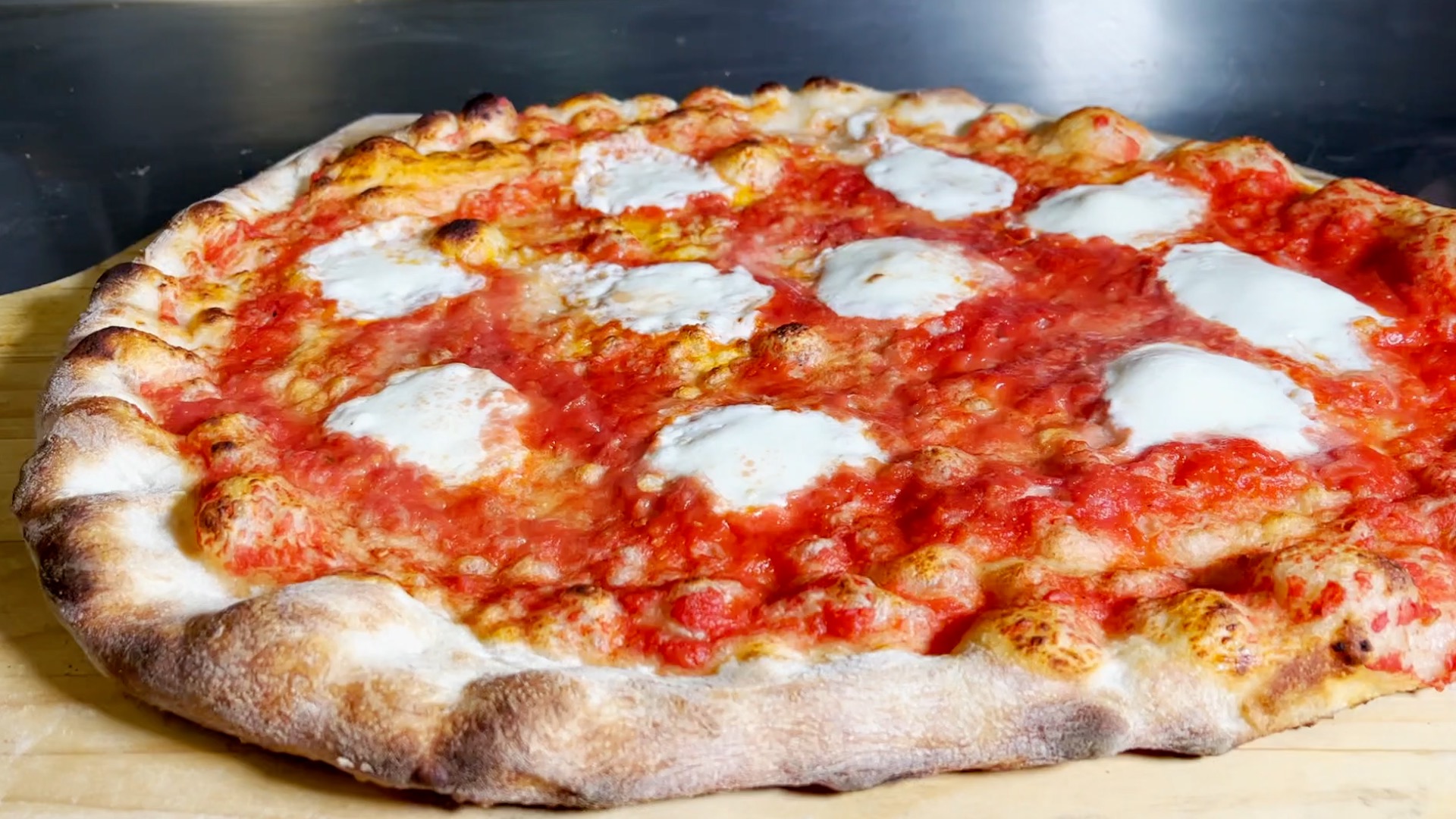
For cheese pizza, that means you should expect range rather than uniformity. In one restaurant, a “cheese” pie might arrive with bright tomato sauce, restrained mozzarella, olive oil, and basil, all on a crust with leopard spotting from a very hot oven. In another, it may be built more generously, with a sturdier base, a sweeter sauce, and enough cheese to hold heat well during takeout. Both are legitimate. They simply serve different appetites.
Boulder also has a mixed audience. University students want convenience and price relief. Families want consistency and kid-friendly flavors. Longtime residents often care about ingredient quality and neighborhood character. Outdoor enthusiasts want something filling after a hike or ride. Restaurants respond to those demands in different ways, which is why ordering “just cheese” here can tell you a lot about the place making it.
The crust often tells the real story
If you want to predict whether you will like a cheese pizza in Boulder, start with the crust description. The dough is where many local shops try to distinguish themselves, and it is often the most noticeable point of variation.
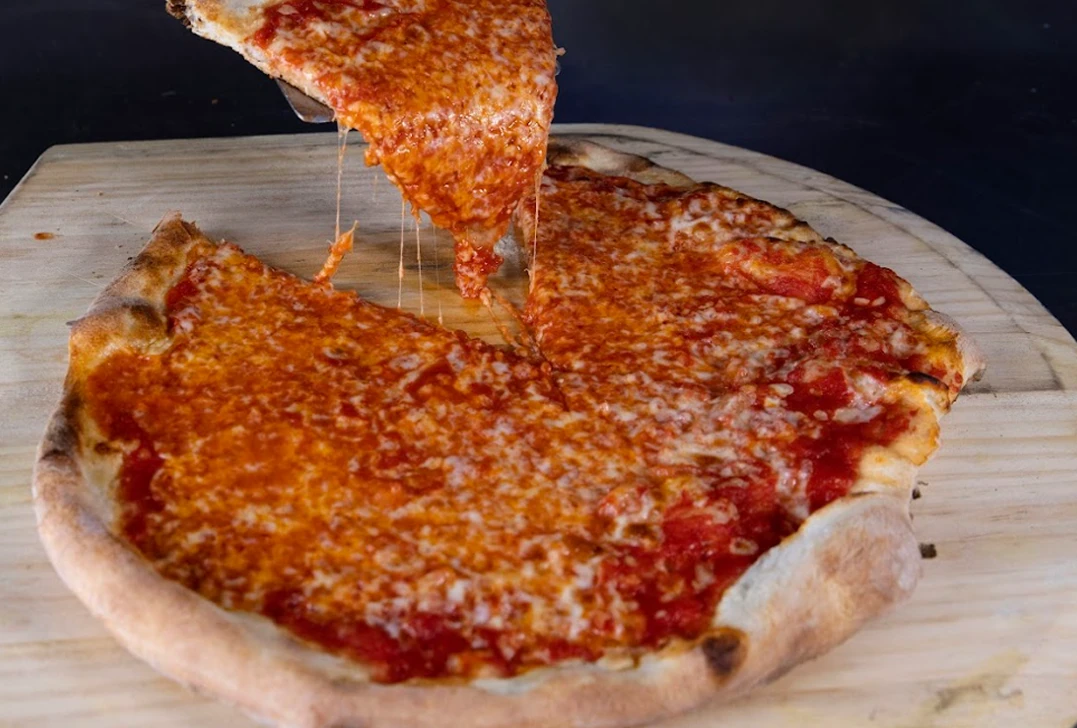
Thin crust in Boulder can mean several different things. It might mean a New York-inspired base with enough structure to fold. It might mean a cracker-like, tavern-style texture with more snap than chew. It might also mean a thin, wood-fired crust that puffs around the rim and softens quickly at the center. Restaurants use familiar words, but they do not always mean the same thing, so ask if you care about texture.
On the other end, thicker crust styles show up as well, though they are less dominant. You may find pan pizzas or more substantial hand-tossed pies, especially at family-oriented places or spots focused on hearty portions. These can be satisfying in cold weather or after a long day outdoors, but they are not always what people imagine when they hear “Boulder pizza.” The city’s dining preferences often lean toward crusts with character rather than sheer weight.
Altitude also deserves a brief mention, not as a gimmick but as context. Baking at elevation can affect dough behavior, moisture loss, and browning. Experienced pizza makers in Boulder account for this through hydration, fermentation time, and oven management. When a crust is excellent here, it usually means the kitchen has spent time dialing in a process rather than copying one from sea level and hoping for the best.
Cheese is rarely just cheese
A lot of visitors assume cheese pizza is interchangeable. In Boulder, that assumption can lead to missed nuances. The cheese blend matters, and local shops often make deliberate choices.
Many places still use low-moisture mozzarella as the backbone, which makes sense. It melts predictably, browns attractively, and holds up in a takeout box. But some restaurants lean toward fresh mozzarella for a softer, milkier finish. Others use a blend, pairing low-moisture mozzarella with provolone, fontina, parmesan, or pecorino to sharpen flavor and improve texture. On a well-made pie, those choices are obvious from the first bite.
This is one of the more interesting things about ordering Cheese Pizza Boulder, Colorado style. You are often tasting a philosophy rather than a default setting. A shop that cares about balance will avoid overloading the pie just because it can. Another may intentionally give you a richer, more indulgent layer because its regulars expect abundance. Neither approach is wrong, but they deliver different experiences.
If you are sensitive to salt or richness, ask what the standard cheese build looks like. I have seen people expect something light and elegant, then get a pie that feels more like comfort food in the best red-sauce tradition. I have also seen the reverse, especially when someone from a classic slice city expects a generous blanket of cheese and receives a more restrained, artisan version. Boulder rewards specifics.
Sauce tends to be brighter and more assertive than some people expect
Cheese pizza depends on the sauce more than heavily topped pies do. In Boulder, many pizzerias lean toward tomato sauces that taste lively rather than cooked down into sweetness. You are more likely to encounter brightness, acidity, and noticeable seasoning than a heavy, sugary sauce.
That does not mean every place uses the same profile. Some go for a cleaner tomato taste, with salt, oregano, and little else. Others build more depth through garlic, olive oil, or slow reduction. The key point is that on a cheese pizza, the sauce is usually doing active work. It is not just there to lubricate the cheese.
This matters because Boulder diners often respond well to balance. Too much sweetness can flatten the pie. Too much acidity can make it feel sharp, especially with fresh mozzarella. The best local versions usually land somewhere in the middle, where the tomatoes taste alive but integrated.
A practical note for takeout: sauces with higher moisture and brightness can change the feel of the pie after ten or fifteen minutes in a box. A pizza that is fantastic fresh from the oven may soften on the ride home. If texture matters to you, dine in when possible, or choose a place known for a firmer bake.
Quality standards are generally high, and prices reflect that
A cheese pizza in Boulder is rarely the cheapest thing on the menu landscape, even when compared with other casual foods. Rent, labor, ingredient sourcing, and local expectations all put upward pressure on pricing. If you are arriving from a lower-cost market, sticker shock is possible.
That said, the higher price point often comes with real value. Better flour, longer fermentation, careful oven work, stronger cheese blends, and house-made dough all cost money and labor. You are not always paying for branding. Often, you are paying for process.
For a personal-size or small artisan cheese pizza, it would not be unusual to see pricing that feels premium relative to a national chain. Larger pies from neighborhood shops can also run higher than expected, particularly once tax, delivery fees, and tipping enter the picture. If budget matters, lunch specials, slice deals, or pickup orders can soften the blow. Boulder still has practical options, but you may need to look for them intentionally.
The trade-off is simple. In many places, cheese pizza is the low-risk fallback order. In Boulder, it often serves as a benchmark dish. Restaurants know people will judge the fundamentals by it. When the crust is Cheese Pizza Boulder, Colorado right, the cheese is balanced, and the sauce has shape, you can usually taste where the money went.
You will notice dietary flexibility, even on a classic pie
Boulder has long supported diners with specific food preferences, and pizza restaurants reflect that. Gluten-free crusts are common. Dairy-free cheese alternatives are easy to find. Some kitchens also offer organic ingredients, vegan doughs, or cauliflower crusts, though the quality varies widely.
For a straight cheese pizza, this flexibility can be helpful or confusing, depending on your expectations. A dairy-free cheese pie may satisfy the need for pizza night without reproducing the texture or flavor of traditional mozzarella. A gluten-free crust might be crisp and pleasant, or it might eat more like flatbread than pizza. Results depend heavily on the restaurant’s experience with alternative formats.
This is one area where Boulder tends to outperform many cities of similar size. Even places that are not explicitly health-focused usually have at least one accommodation option, and staff are often accustomed to questions about allergens and ingredient lists. That said, if you care deeply about cross-contact or texture specifics, ask direct questions. Availability does not automatically mean excellence.
Dine-in and takeout can feel like two different products
One of the most common mistakes people make with pizza in general, and cheese pizza in particular, is assuming the best version survives every format equally well. In Boulder, that gap can be noticeable because so many restaurants are particular about bake style.
A wood-fired cheese pizza with a soft center and delicate fresh mozzarella may be superb in the restaurant and merely good by the time it reaches your table at home. A sturdier New York-style slice with low-moisture cheese may travel far better. Pan pizzas often reheat beautifully. Thin cracker-style pies can lose their edge if boxed too long. The ideal order depends partly on where you plan to eat it.
This is especially relevant during busy weekends, ski traffic periods, football game days, or evenings when restaurant volume spikes. Timing affects quality. A pizza that sits even a few extra minutes before pickup can steam in its box and shift from crisp to limp. If you are ordering during a rush, ask how long the pie is likely to wait before handoff. Good shops know the difference matters.
I have found that Boulder’s better pizzerias usually excel when you order with intention. If you want maximum crust character, eat on site. If you need reliability at home, choose styles built to travel. If you are feeding a group with mixed preferences, a classic hand-tossed cheese pie often lands better than a fragile artisan one, even if the latter is more exciting straight from the oven.
Atmosphere changes the experience more than many visitors expect
Pizza is not just a product. It is a setting. In Boulder, that setting can shape how a cheese pizza feels. A bustling student-area slice shop creates one kind of satisfaction, fast, loud, slightly chaotic, perfect when convenience matters more than ceremony. A neighborhood spot with families at the tables makes the same dish feel comforting and familiar. A polished restaurant with a visible oven and a short wine list turns cheese pizza into something closer to a composed dinner.
None of those experiences is inherently better. They suit different moods. Boulder’s dining scene tends to be casual, but casual here often comes with standards. Even unfussy places may use better ingredients than you expect. Even polished places may still welcome kids in hiking clothes.
If you are trying to decide where to go, think less about the abstract “best pizza” and more about the context of the meal. Are you grabbing a quick bite after a trail day, looking for an easy family dinner, or trying to sit down somewhere with a little ambiance? The same city offers all three, and your ideal cheese pizza may depend as much on room energy as on mozzarella.
What locals usually care about when judging a plain pie
When someone in Boulder orders a cheese pizza, they are often paying attention to details that topped pies can hide. The crust should have personality. The sauce should taste like tomatoes, not just sugar or salt. The cheese should support the pie rather than smother it. The bake should make sense for the style.
A plain pie exposes shortcuts fast. If the dough lacks fermentation, you taste it. If the oven work is sloppy, you see it in pale patches or scorched spots that do not belong. If the restaurant relies on toppings to create excitement, the cheese pizza can feel dull. But when the fundamentals are right, a simple pie becomes a strong argument for the kitchen’s competence.
That is why seasoned pizza eaters often start with cheese, especially in a new city. Boulder rewards that strategy. It is a place where a well-made plain pie often reflects genuine craft rather than minimal effort.
Reasonable expectations for portion, texture, and flavor
If you are specifically searching for Cheese Pizza Boulder, Colorado options, it helps to set realistic expectations before you order. Boulder is not a single-style pizza city. You are not walking into one unified regional tradition. You are choosing among interpretations.
Expect portions to vary. A personal wood-fired pie may look small but feel satisfying because of richer ingredients and a pronounced crust. A large neighborhood pie may feed more people than expected if the slices are broad and generously cheesed. When menus list sizes, ask whether the pizza is cut into traditional slices, smaller squares, or left whole for sharing. Serving assumptions differ.
Expect textures to vary even more. Some crusts will be chewy and elastic. Others will be crisp at the base and airy at the rim. Some cheeses will stretch dramatically. Others will melt into the sauce more quietly. A cheese pizza that one diner calls “light” may strike another as sparse.
Flavor profiles also move around. You may find sweeter tomato sauce in family-oriented shops, tangier tomato in artisan places, heavier dairy richness in classic American styles, and more restrained seasoning in Neapolitan-inspired kitchens. Boulder supports all of it.
A few practical ways to order well
The easiest way to get a cheese pizza you actually enjoy is to ask a couple of simple questions before ordering, especially at an unfamiliar place. Staff can usually tell you whether the crust folds, whether the sauce runs sweet or bright, and whether the cheese is generous or restrained. Those three details answer most of the important questions.
It also helps to be honest about what you want. If you are craving a classic, sturdy pie with that nostalgic red-sauce-shop feel, say so. If you want something lighter with high-quality mozzarella and a fast, hot bake, say that instead. Boulder restaurants are used to customers with preferences, and most staff would rather steer you correctly than watch you order the wrong style for your mood.
If you are feeding a group, keep travel time in mind. Ten minutes can be the difference between a lively crust and a softened one. If the restaurant offers partial baking or reheating guidance, that can be useful, especially for larger orders. Some of the best cheese pizzas reawaken beautifully in a hot oven or skillet, but only if the base was built for it.
Why a simple cheese pizza can still surprise you here
There is a tendency to underestimate cheese pizza because it sounds plain. In Boulder, plain often means exposed rather than boring. There is nowhere for the kitchen to hide. That can lead to disappointment when a restaurant neglects the basics, but it can also lead to pleasant surprise when those basics are done with care.
A strong cheese pizza in Boulder often feels balanced rather than excessive. The dough carries flavor on its own. The sauce has freshness. The cheese adds richness without swallowing everything else. The finish leaves you wanting another slice instead of feeling weighed Cheese Pizza Boulder, Colorado down after one. That balance, more than novelty, is what separates memorable pies from average ones.
For visitors, that can make pizza a useful way to read the city. Boulder likes comfort, but it likes it with attention to detail. It respects tradition, but it rarely stops there. Even something as familiar as a cheese pizza tends to reflect local priorities, better ingredients when possible, flexibility for different diets, and a willingness to let simple food stand on craftsmanship.
If you walk in expecting only a generic default order, you may miss what is interesting. If you walk in expecting one fixed style, you may order the wrong pie for your taste. But if you approach it as a city with a broad, quality-minded pizza culture, you are much more likely to find a cheese pizza that makes sense for the moment, whether that moment is a quick lunch, a family dinner, or a late evening craving after a long day under the Flatirons.
And that is really what to expect from cheese pizza in Boulder, Colorado: not one answer, but a high likelihood that the simple version has been taken seriously.
Brooklyn Pizza
Address: 1647 Arapahoe Ave, Boulder, CO 80302
Phone number: +17203282324
FAQ About Cheese Pizza Boulder, Colorado
What is usually on a cheese pizza?
A standard cheese pizza consists of a yeast dough crust, a seasoned tomato-based sauce, and melted mozzarella cheese.
What is a cheese pizza called?
A basic cheese pizza is simply called a cheese pizza, a plain pizza, or a plain pie.
What is the best recipe for cheese pizza?
The best cheese pizza recipe uses high-heat baking, a simple raw tomato sauce, and a mix of low-moisture and fresh mozzarella cheese on a homemade yeast dough.